Wike, Amaechi Trade Verbal Blows as 2027 Presidential Race Fuels Political Tension
 Wike, Amaechi Trade Verbal Blows as 2027 Presidential Race Fuels Political Tension
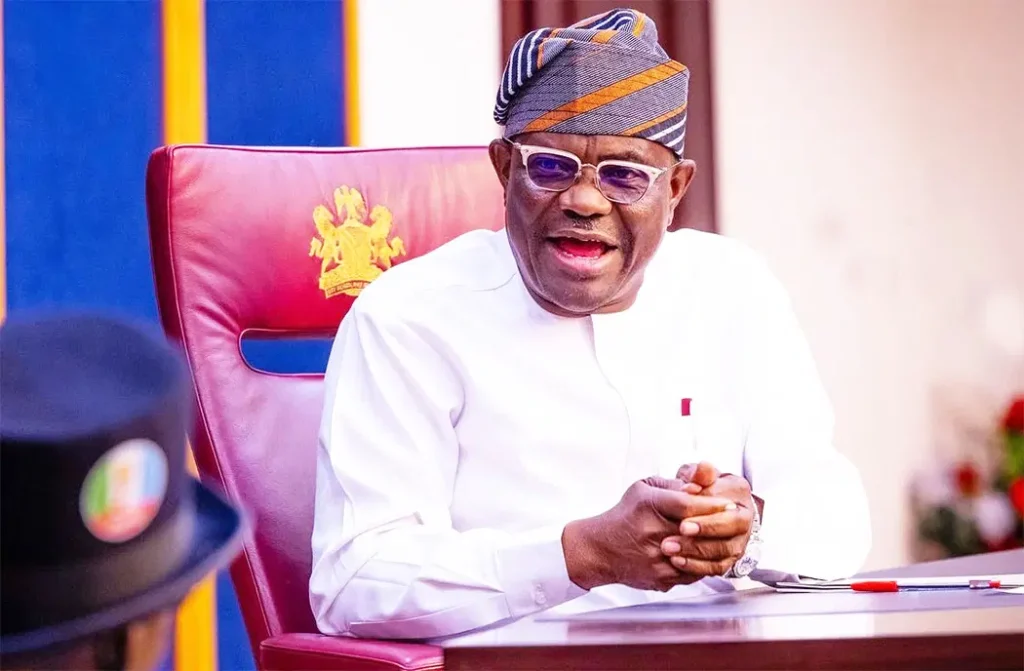
The political dispute between the Minister of the Federal Capital Territory, Nyesom Wike, and former Rivers State Governor Rotimi Amaechi has intensified ahead of the 2027 general election, with their latest exchange highlighting growing disagreements over President Bola Tinubu’s administration, economic hardship and the qualities required for Nigeria’s presidency.
Wike reportedly described Amaechi as a “lunatic” who could not preside over Nigeria, escalating their verbal confrontation after Amaechi criticised Tinubu and his administration. The latest remarks have added another chapter to the long-running rivalry between the two prominent political figures.
According to reports published on Friday, October 9, 2026, Wike reacted after Amaechi reportedly told voters in Edo State that only thieves and mad people would vote for Tinubu. Wike condemned the remarks and questioned Amaechi’s own suitability for the highest political office in the country. <escape> </escape>
The exchange has moved beyond ordinary political disagreement, bringing the character of political leadership and the tone of public campaigning into focus as parties and political alliances prepare for the next election cycle.
Amaechi, a former Minister of Transportation and a leading figure in the opposition African Democratic Congress (ADC), has been critical of Tinubu’s economic policies. Earlier in October, he linked the rising cost of medicines under the current administration to the difficulty he faced in obtaining medication for his late mother. His comments prompted a strong response from Wike, who questioned the former governor’s framing of the personal tragedy as part of a political argument.
Wike has also challenged Amaechi’s record in public office. In a separate confrontation earlier in October, the FCT minister argued that Amaechi had spent 24 years in major political positions—as Speaker of the Rivers State House of Assembly, governor and federal minister—without delivering sufficient benefits to Rivers State. These claims represent Wike’s assessment of his rival’s record and have not, by themselves, settled the wider debate over Amaechi’s performance in office.
The renewed dispute also reflects the broader competition between supporters of Tinubu and opposition figures seeking to challenge the ruling political establishment in 2027. While Wike has continued to express support for Tinubu, Amaechi has aligned himself with the ADC opposition platform and criticised the direction of the federal government.
For voters, the central issues extend beyond the exchange of insults. Questions about the cost of living, access to healthcare, economic opportunity, infrastructure and public accountability remain important considerations in assessing the records and promises of political leaders.
The latest confrontation raises a further question about the standard of political discourse in Nigeria. As the 2027 campaign season approaches, political actors face pressure to explain their policies, defend their records and respond to criticism without allowing personal attacks to overshadow substantive public debate.
Whether the Wike–Amaechi rivalry will influence wider political alignments remains to be seen. What is clear is that their increasingly public disagreement has brought the contest over Tinubu’s leadership and Nigeria’s political future further into the spotlight.