Religious Titles Won’t Shield Financial Crime Suspects, EFCC Warns Pastors, Imams
Religious Titles Won’t Shield Financial Crime Suspects, EFCC Warns Pastors, Imams
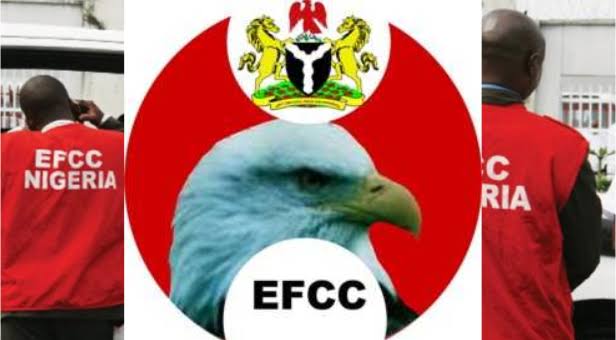
The Economic and Financial Crimes Commission (EFCC) has sent a strong message to Nigeria’s religious community, warning that clerical titles or positions will not protect anyone accused of financial crimes from investigation and prosecution.
EFCC Chairman, Ola Olukoyede, raised the concern while addressing religious leaders at the 2026 Second Council Meeting of the Nigeria Inter-Religious Council (NIREC) in Abuja.
Rather than concentrating solely on prosecuting financial crimes after they have occurred, Olukoyede challenged churches and mosques to become major centres for preventing corruption by promoting honesty, accountability and responsible attitudes towards wealth.
According to the EFCC chairman, the Commission’s case files contain individuals bearing religious titles such as pastors and imams, including persons who have been convicted and are serving prison sentences for financial offences.
Olukoyede maintained that religious identity should never become a defence against accountability, stressing that the law must apply irrespective of a suspect’s faith, title or position.
He also questioned society’s continued use of revered religious titles for individuals convicted of financial crimes, arguing that Nigerians should pay greater attention to people’s conduct rather than the titles attached to their names.
The EFCC chairman recalled an encounter with a suspect who attempted to emphasise his multiple religious titles after being brought before the anti-graft agency for investigation.
Olukoyede said his interest was not in the suspect’s religious credentials but in determining whether the individual had committed the financial offence under investigation.
The development has brought renewed attention to the responsibility of religious institutions in promoting financial transparency and accountability, particularly at a time when churches and mosques command considerable moral influence among millions of Nigerians.
Olukoyede urged religious leaders to challenge the growing culture of celebrating wealth without asking legitimate questions about how such wealth was acquired.
He argued that while the EFCC could investigate misconduct, prosecute fraud and recover illicit assets, religious institutions were strategically positioned to shape character and discourage corruption before it occurred.
The EFCC chairman stressed that financial crime should not be interpreted through religious or ethnic sentiments because the consequences of corruption affect Nigerians across religious divides.
He noted that stolen public resources ultimately translate into poorly equipped hospitals, bad roads, unemployment and other socioeconomic problems affecting Christians and Muslims alike.
The meeting also witnessed the launch of an Anti-Corruption Interfaith Manual designed to assist Christian and Muslim religious leaders in incorporating anti-corruption messages into their teachings.
The initiative represents a preventive dimension of the EFCC’s anti-corruption campaign, seeking to enlist religious institutions in confronting not only financial crimes but also the social attitudes that sometimes glorify unexplained wealth.
Olukoyede’s intervention therefore raises a broader question for religious institutions across Nigeria: should spiritual authority come with stronger standards of financial accountability?
For the EFCC, the position appears clear — religious status does not place anyone above scrutiny, and churches and mosques have an important role in ensuring integrity begins long before anti-graft investigators become involved.