Nigeria Power Crisis: FG Unveils ₦729bn Bond Plan to Tackle ₦6trn Debt
Nigeria Power Crisis: FG Unveils ₦729bn Bond Plan to Tackle ₦6trn Debt
Nigeria’s persistent electricity challenges may be entering a new phase as the Federal Government intensifies efforts to address the financial crisis threatening power generation, gas supply and investment in the energy sector.
The administration of President Bola Ahmed Tinubu has adopted a bond financing strategy to settle outstanding obligations to electricity generation companies, with accumulated debts estimated at ₦6 trillion. The initiative is expected to improve liquidity, rebuild investor confidence and strengthen the financial capacity of operators within the Nigerian Electricity Supply Industry.
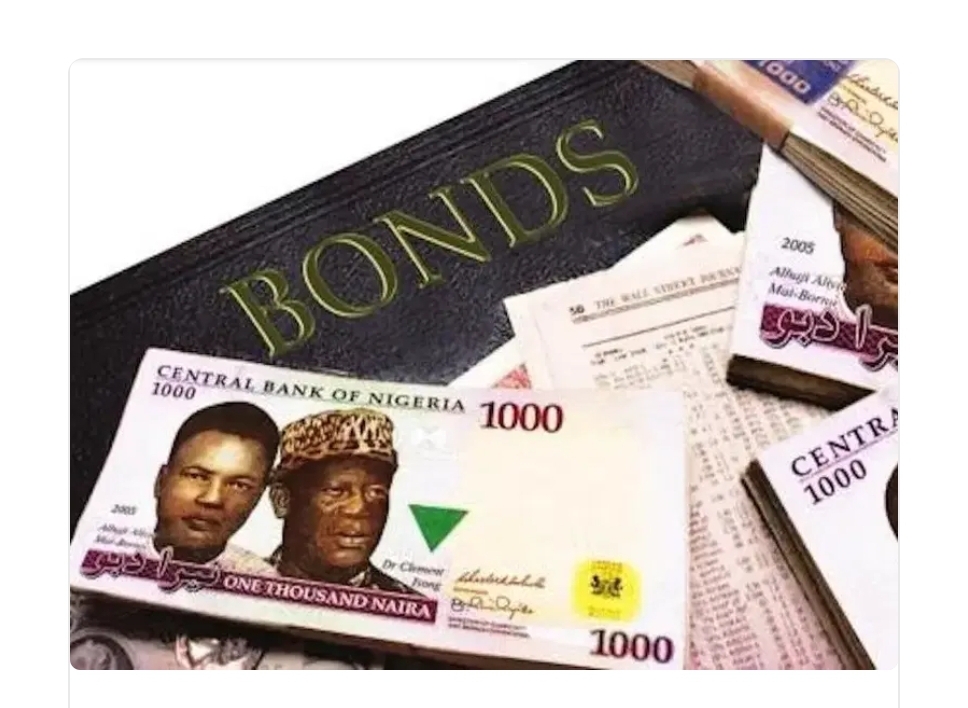
Under the Presidential Power Sector Debt Reduction Programme, the Federal Government signed a ₦728.979 billion Series 2 bond agreement in September 2026 as part of a broader ₦4 trillion financing arrangement designed to clear verified historical debts. The transaction comprises ₦402 billion in cash bonds raised through the domestic capital market and ₦326.979 billion in non-cash bonds allocated to participating generation companies.
Managing Director of Nigerian Bulk Electricity Trading Plc, Akinola Odeyemi, disclosed that settlement processes had commenced for participating generation companies and their associated gas suppliers. He explained that the initiative was intended to address longstanding financial obligations that have constrained electricity production and discouraged fresh investment in the sector.
Figures from the Nigerian Electricity Regulatory Commission revealed that the Federal Government incurred approximately ₦1.928 trillion in electricity tariff subsidy obligations in 2025, representing 57.44 per cent of the total invoices submitted to NBET. This translated to an average monthly subsidy burden of ₦160.69 billion, highlighting the financial pressure associated with sustaining the existing electricity pricing structure.
Beyond debt settlement, the government is also pursuing infrastructure rehabilitation and improved transmission capacity. Minister of Power Joseph Tegbe maintained that electricity generation and transmission had recently exceeded 5,000 megawatts, compared with the earlier range of 3,700 to 4,700 megawatts. He also identified the restoration of the 375MW Alaoji power plant and upgrades to transmission infrastructure in Lagos and Abuja as important interventions.
However, the government’s financing strategy has renewed debate over whether clearing historical debts alone can guarantee uninterrupted electricity supply. Industry stakeholders have continued to identify inadequate infrastructure investment, distribution inefficiencies, poor revenue collection and weaknesses in regulatory enforcement as major obstacles to sustainable electricity delivery.
Special Adviser to the President on Power, Dr. Lanre Babalola, acknowledged that Nigeria’s electricity reforms remained incomplete, stressing that the country’s fundamental challenge extended beyond available generation capacity. According to him, the sector must develop a commercially sustainable framework capable of converting electricity production into dependable supply, adequate revenue and long-term investment.
Electricity consumer advocates have equally demanded stronger accountability from distribution companies, particularly regarding estimated billing, infrastructure development and the quality of service delivered to households and businesses. They argue that additional public financing must be accompanied by measurable improvements in electricity availability and consumer protection.
For millions of Nigerians struggling with unstable electricity and rising alternative energy costs, the success of the government’s intervention will ultimately be measured by improvements in daily power supply rather than the volume of bonds issued. Although the debt reduction programme offers an opportunity to stabilise the sector, its long-term impact will depend on financial discipline, effective regulation, sustained infrastructure investment and the ability of electricity operators to deliver reliable power across the country.