2027: Obi Questions Tinubu’s Economic Reforms, Says Petrol Discount Falls Short
2027: Obi Questions Tinubu’s Economic Reforms, Says Petrol Discount Falls Short
By Akin Alade
The debate over Nigeria’s economic reforms has intensified ahead of the 2027 general election, with former presidential candidate Peter Obi challenging the Federal Government to demonstrate how its policies will deliver lasting relief to struggling households and businesses. Obi argued that fuel subsidy removal, naira floating and tax reforms have contributed to rising living costs, questioning whether the government’s latest petrol discount can adequately address the wider economic challenges.
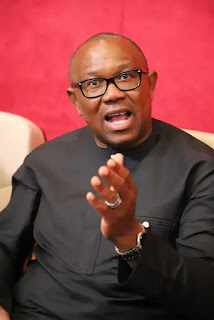
Obi, the presidential candidate of the Nigeria Democratic Congress (NDC), made his position known while criticising the Federal Government’s 30-day petrol discount at Nigerian National Petroleum Company Limited (NNPC) retail stations. He described the intervention as inadequate, arguing that a temporary price reduction cannot substitute for a comprehensive economic strategy designed to improve living standards, create jobs and expand productive activities.
A major concern raised by Obi is the limited reach of the discount scheme. He said the initiative covers about 900 NNPC retail stations out of an estimated 24,000 filling stations nationwide, representing less than four per cent of outlets. According to him, the limited coverage raises questions about how millions of Nigerians who depend on other fuel retailers will benefit from the intervention.
The former Anambra State governor also argued that the removal of petrol subsidy, the floating of the naira and subsequent tax reforms were implemented without adequate consultation, proper impact assessments or sufficient consideration of the consequences for ordinary citizens. He linked the combined effects of the policies to rising prices, business difficulties, unemployment and declining purchasing power, insisting that government interventions should be assessed by their tangible impact on citizens.
Obi further called for a more sustainable approach to economic management, including targeted support for agriculture, healthcare, education and infrastructure. He maintained that any intervention involving public resources must operate under transparent and accountable arrangements to ensure that the intended beneficiaries receive the benefits. He also reiterated his position that fuel subsidy could be restored within a framework that prevents corruption and protects public funds.
However, the controversy surrounding the petrol discount also raises an important distinction between a government-funded subsidy and a commercial price reduction. The Federal Government has explained that the current NNPC initiative involves the state oil company’s decision to forgo part of its retail profit margin, rather than the government paying a portion of the cost of petrol with public funds. This distinction means the discount does not, in itself, amount to a reversal of the subsidy-removal policy.
With the 2027 elections approaching, the disagreement highlights the competing economic arguments likely to shape political campaigns. While Obi is demanding a stronger focus on the immediate welfare of citizens, the administration’s reform approach centres on changes to the country’s pricing and foreign-exchange systems. The critical question for Nigerians remains whether these policies, alongside any temporary relief measures, can produce sustained improvements in household incomes, business confidence, employment and the overall cost of living.