
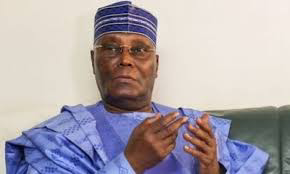
2027 Election: Atiku Challenges Tinubu to Prove 90-Day Economic Relief Will Reduce Hunger, Food Prices

2027 Election: Atiku Challenges Tinubu to Prove 90-Day Economic Relief Will Reduce Hunger, Food Prices
By Akin Alade
As Nigeria moves closer to the 2027 presidential election, former Vice President Atiku Abubakar has challenged President Bola Ahmed Tinubu to demonstrate that the Federal Government’s newly announced 90-day cost-of-living relief programme will deliver measurable economic benefits to Nigerians rather than become another political promise ahead of the polls.
Atiku, the presidential candidate of the African Democratic Congress (ADC), raised concerns over the timing of the initiative, questioning why the administration waited until the final months of its current tenure to introduce an emergency economic intervention aimed at addressing rising food prices, transportation costs and household financial difficulties.
Speaking through the Director of Strategic Communication of the ADC Presidential Campaign Council, Phrank Shaibu, the former Vice President argued that the programme’s 90-day implementation period would extend beyond the January 16, 2027 presidential election. He described the timing as suspicious and accused the ruling All Progressives Congress (APC) administration of attempting to influence voters through promises of economic relief.
The National Economic Council (NEC), chaired by Vice President Kashim Shettima, had approved the intervention following a presentation by the Minister of Finance and Coordinating Minister of the Economy, Taiwo Oyedele. The programme identifies five priority areas: food affordability, tax harmonisation, completion of high-impact projects, removal of investment bottlenecks and targeted household support.
However, Atiku insisted that Nigerians deserved concrete implementation strategies rather than policy announcements. He challenged the Federal Government to publish the financial commitments, implementation timetable, eligibility requirements for household assistance and measurable targets for reducing the cost of essential commodities.
The opposition leader also questioned the effectiveness of the Nigerian National Petroleum Company Limited’s temporary petrol discount initiative, claiming that the advertised price reduction had not translated into meaningful savings for many motorists. He demanded public disclosure of the number of beneficiaries, participating filling stations and quantities of petrol sold at discounted rates.
According to Atiku, the economic consequences of petrol subsidy removal, including increased transportation expenses, higher production costs and pressure on household incomes, should have prompted stronger social protection measures much earlier. He maintained that sustainable economic recovery would require policies capable of lowering business operating costs, supporting domestic production and improving the purchasing power of ordinary Nigerians.
Meanwhile, the Tinubu administration has defended its economic reform agenda, maintaining that the government’s interventions are designed to translate broader economic improvements into tangible benefits for households and businesses. Vice President Shettima has also emphasised the need for federal and state governments to ensure that transportation reforms and other economic initiatives produce genuine savings for citizens.
The controversy has introduced another dimension to the growing political confrontation between Tinubu and Atiku, with economic affordability emerging as a major issue ahead of the 2027 presidential contest. Beyond campaign exchanges, the effectiveness of the relief programme may ultimately be judged by changes in food prices, transport fares, household incomes and access to essential services.
For millions of Nigerians struggling with daily expenses, the central question remains whether the 90-day economic intervention will provide lasting relief or merely temporary assistance. As political campaigns intensify, the Federal Government faces increasing pressure to demonstrate that its economic policies can deliver practical improvements in living standards before and beyond election day.